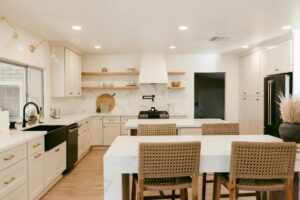
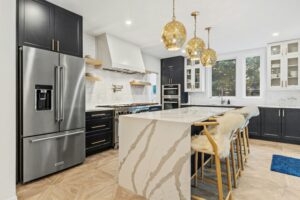
A well-designed living room is both the heart and the soul of any home. It sets the tone for your style, invites guests in, and offers a sanctuary for relaxation and bonding. Yet, the challenge is finding that delicate balance between beauty and usability. Designing a beautiful and functional living room isn’t about copying a Pinterest board — it’s about creating a space that reflects who you are and how you live.
Let’s dive into the full blueprint of turning your living room into a stylish and sensible masterpiece.
Understanding Living Room Design
The living room serves as a multipurpose hub — from entertaining guests to lazy Sunday naps. It must look great but also perform well. Striking the right balance means considering foot traffic, comfort, storage, and aesthetics.
While design trends come and go, functionality never goes out of style. Start with defining the room’s primary role in your life: is it for formal gatherings or casual lounging?
Establishing a Vision
Design without direction can feel scattered. Start by defining your goals:
-
Will your living room host large gatherings?
-
Is it your primary family hangout?
-
Do you need it to double as a workspace?
Create a vision board using tools like Pinterest or mood boards in apps like Canva. Focus on colors, layouts, and items that catch your eye.
Measuring and Mapping the Space
Every effective design starts with a solid plan. Use a measuring tape and notepad or digital room planner:
-
Measure walls, windows, and walkways.
-
Identify natural focal points (fireplace, windows).
-
Consider traffic patterns.
This helps prevent common mistakes like overcrowding or underutilizing space.
Choosing a Design Style
Your personal aesthetic guides the vibe:
-
Modern: Clean lines, minimalism
-
Traditional: Classic furniture, symmetry
-
Scandinavian: Light wood, muted tones
-
Eclectic: Mix of vintage and contemporary
-
Coastal: Blues, whites, breezy fabrics
Stick to one main style to avoid visual chaos, then layer in elements from others for depth.
Color Palette Fundamentals
Color sets the emotional tone:
-
Neutrals: Calm and timeless
-
Warm tones: Inviting and cozy
-
Cool tones: Refreshing and open
Don’t shy away from bold color pops — try a statement wall or vibrant cushions to add character.
Lighting Strategies
Lighting affects mood and functionality. Layer your lighting:
-
Ambient: Ceiling lights for overall illumination
-
Task: Table lamps for reading
-
Accent: Wall sconces or LED strips for drama
Maximize natural light with mirrors and light-colored walls to reflect brightness.
Furniture Selection
Think beyond aesthetics — scale and utility matter.
-
Choose sofas based on room size.
-
Invest in durable yet stylish pieces.
-
Consider dual-purpose furniture like ottomans with storage.
Avoid matching everything. Instead, coordinate different textures and tones.
Creating a Layout that Works
Use your room map to arrange furniture. Consider:
-
Conversation groupings
-
Walking paths (min. 30 inches between furniture)
-
Symmetry vs organic layout based on your style
Floating furniture (off the wall) can open up space and create flow.
Textiles and Fabrics
Layering textiles adds coziness and richness.
-
Rugs: Define zones and add softness.
-
Curtains: Frame windows and control light.
-
Throws and Pillows: Add color, texture, and comfort.
Opt for performance fabrics if you have kids or pets.
Wall Treatments
Blank walls feel sterile. Dress them up with:
-
Art pieces or framed photos
-
Textured wallpaper
-
Wainscoting or paneling
Gallery walls are great for showcasing personality.
Storage Solutions
Clutter kills vibes. Use:
-
Built-in shelves
-
Coffee tables with drawers
-
Decorative baskets and bins
Make storage look like part of the design.
Window Treatments
Beyond aesthetics, window coverings provide privacy and insulation.
-
Sheer curtains for softness
-
Roman shades for a sleek look
-
Layered treatments for control
Mount them high to make ceilings look taller.
Decorative Accents
Small details, big impact.
-
Trays for organization
-
Scented candles for ambiance
-
Books and ceramics for a lived-in feel
Use odd-number groupings for visual balance.
Technology Integration
Today’s living rooms are digital playgrounds.
-
Wall-mount your TV to save space
-
Hide cables using conduits or furniture
-
Use smart bulbs and sound systems for convenience
Keep tech elegant, not overwhelming.
Creating a Focal Point
Anchor the room visually with:
-
A fireplace
-
Large artwork
-
A bold rug or lighting fixture
Everything else should subtly guide the eye toward that element.
Incorporating Nature
Biophilic design is both trendy and timeless.
-
Houseplants purify air and soften the vibe
-
Natural textures like jute, wood, and stone add warmth
Use planters of various heights for visual interest.
Functional Zones in a Living Room
Divide your space mentally and visually:
-
Media area for TV
-
Reading nook with armchair
-
Kids’ zone with toy baskets
Rugs and furniture placement help define zones without walls.
Living Room for Entertaining
If guests frequent your home:
-
Use movable ottomans or poufs
-
Add a stylish bar cart
-
Ensure lighting is flattering and dimmable
Comfort is key for guests to feel at ease.
Living Room for Relaxation
Want your living room to be your zen zone?
-
Use soft lighting and plush throws
-
Integrate calming scents like lavender
-
Minimize visual clutter
Create your personal retreat within your home.
Family-Friendly Living Room Design
With kids, design needs change.
-
Use rounded edges on furniture
-
Opt for washable slipcovers
-
Low shelves for easy access
Make it functional without sacrificing style.
Pet-Friendly Living Room Tips
Furry friends need space too.
-
Use leather or tightly woven fabrics
-
Create a cozy nook for your pet
-
Avoid delicate decor at low heights
Pet-friendly doesn’t mean pet-only.
Designing for Small Spaces
Make it feel spacious:
-
Use vertical storage
-
Mount TV on the wall
-
Keep color schemes light
Mirrors and glass furniture trick the eye into seeing more space.
Designing for Large Spaces
Avoid the “furniture museum” effect.
-
Break the room into sections
-
Add tall plants or sculptures
-
Use rugs to define areas
Don’t push everything to the edges — fill the space intentionally.
Mixing Old and New
Blending eras adds richness.
-
Mix vintage finds with contemporary art
-
Combine wood finishes
-
Reupholster heirloom pieces in modern fabric
Create contrast — not chaos.
Seasonal Living Room Updates
Keep your space fresh all year.
-
Swap cushions, art, and throws each season
-
Use flowers or seasonal plants
-
Rotate decor for holidays
A few tweaks keep your space dynamic.
Budgeting Your Living Room Design
Style doesn’t have to be expensive.
-
Splurge on sofa and rug
-
Save on accessories and DIY projects
-
Thrift and upcycle where you can
Track spending with a spreadsheet to avoid surprises.
Common Design Mistakes to Avoid
-
Pushing all furniture against walls
-
Inadequate lighting
-
Matching everything
-
Ignoring scale
Avoid these pitfalls for a smoother process.
Sustainability in Living Room Design
Design with a conscience.
-
Choose FSC-certified wood
-
Opt for low-VOC paint
-
Support local and ethical brands
A green living room is a good-looking one.
Hiring a Designer vs DIY
Both have their perks.
-
Designer offers expertise and cohesion
-
DIY allows personal touches and saves cost
Choose based on complexity and budget.
Maintaining Your Living Room Aesthetic
Cleanliness is part of style.
-
Regularly vacuum rugs and sofas
-
Dust surfaces weekly
-
Rotate decor to avoid burnout
A beautiful room is one that stays cared for.
The Living Room Experience
Beyond furniture and fabrics, what matters most is how your space makes you feel. A beautiful and functional living room should spark joy, promote comfort, and be a place where memories are made.